

Brilliant finance professional. Second time working with him and am really pleased with his quality of work as well as professionalism
- Oliver Theodore
Vice President
Healthcare product discovery requires more than defining features and creating wireframes. Product decisions need to reflect real users, healthcare workflows, technical constraints, integrations, data requirements, and the realities of building software for complex healthcare environments.
We consider patients, clinicians, administrators, operational teams, data flows, integrations, and healthcare-specific constraints throughout discovery.
We use stakeholder, user, workflow, and market insights to answer practical questions about what the product should do and how it should work.
Architecture, integrations, data requirements, third-party systems, security considerations, and technical feasibility are considered during discovery rather than after design is complete.
We challenge assumptions and clarify the product before significant engineering investment begins.
We use flows, wireframes, and prototypes to validate important workflows and interactions before they become expensive development decisions.
Discovery produces practical outputs your product, design, engineering, and leadership teams can use to move forward with greater confidence.
“Before discovery, we had a product idea and a long list of features, but no clear path to development. The process helped us understand what actually belonged in the first release, identify technical questions early, and give our team a roadmap everyone could align around.”
Brilliant finance professional. Second time working with him and am really pleased with his quality of work as well as professionalism
- Oliver Theodore
Vice President
Speecto helps healthcare organizations, digital health companies, and product teams take new concepts or existing product ideas through structured discovery and validation before full-scale development.
Solutions that help providers manage patient information, care plans, communication, appointments, and ongoing care more efficiently.
Digital platforms designed to support remote consultations, virtual patient interactions, and accessible healthcare delivery.
Tools that simplify clinical processes, reduce manual work, and help healthcare teams manage everyday tasks more effectively.
Systems built to improve administrative workflows, internal coordination, reporting, and operational efficiency.
Scalable software products created for healthcare providers, startups, and organizations with recurring operational or clinical needs.
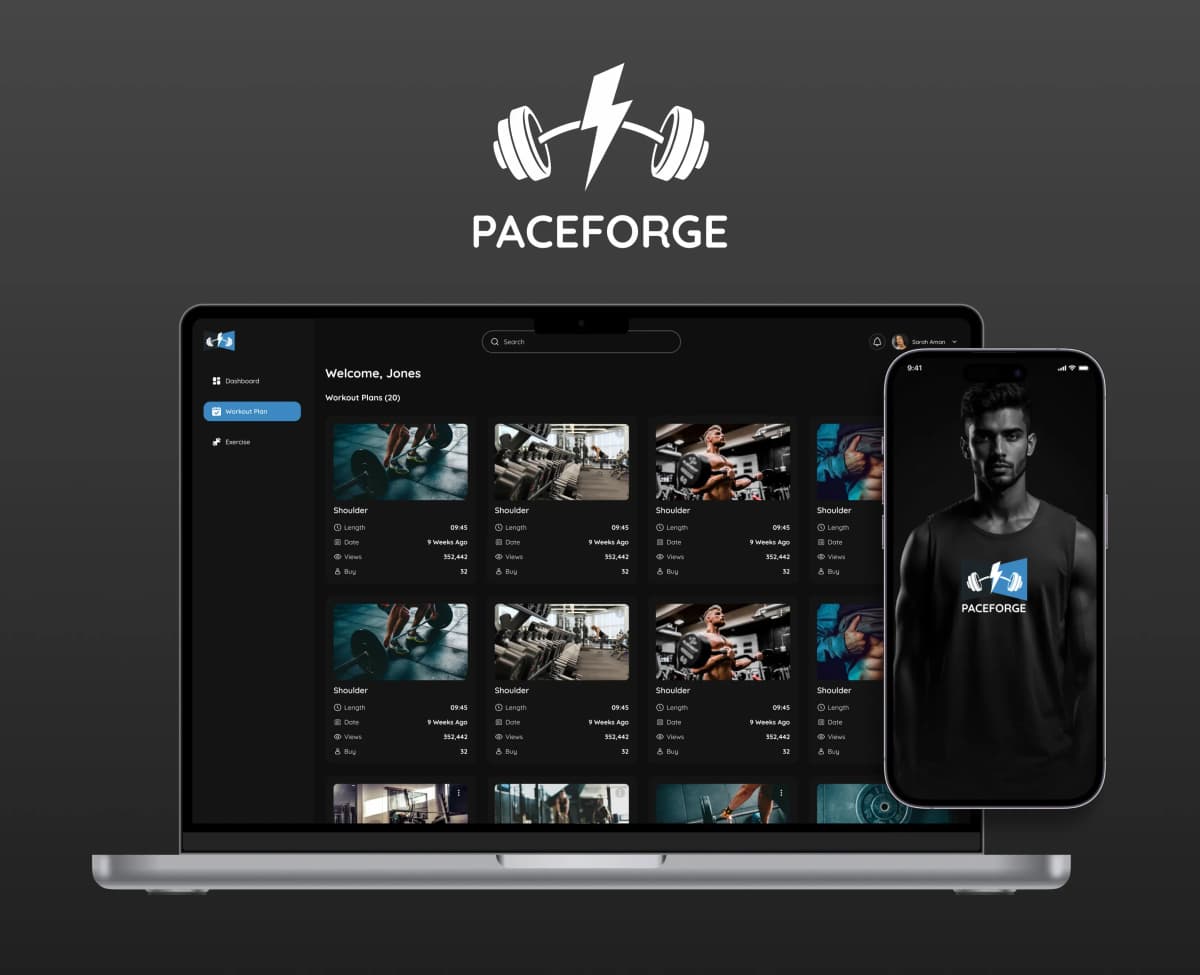
Digital products for fitness tracking, wellness programs, habit building, coaching, and personalized health experiences.
Healthcare solutions that use AI to support automation, data analysis, personalized experiences, and smarter decision-making.
Secure and scalable applications designed to support complex workflows, multiple teams, and growing healthcare organizations.
These are the concerns we hear repeatedly from healthcare teams before development:
We know the problem we want to solve, but we're not sure what the actual product should look like.
Our feature list keeps growing and we don't know what really needs to be in the first release.
We need to know whether clinicians or patients will actually use this workflow.
We're worried we'll discover major integration or technical limitations after development has already started.
We have estimates, but nobody has gone deep enough into the product to tell us what it will realistically take to build.
Different stakeholders have different ideas about what the product needs to do.

We take healthcare product ideas from assumptions to a clearer, validated development plan. The exact discovery process depends on the product, but typically combines strategy, research, experience design, technical planning, and estimation.

Define the problem, product vision, target users, business objectives, success criteria, assumptions, constraints, and core requirements that should guide the product.
How we turn ideas into solutions
We don't begin with a feature list. We begin by understanding the healthcare problem, who experiences it, how it is currently handled, what outcomes matter, and why a new product or capability is needed. This creates a stronger foundation for every decision that follows.
Every healthcare product starts with assumptions: users will behave a certain way, clinicians will adopt a new workflow, specific data will be available, an integration will work as expected, or a feature will deliver enough value to justify its complexity. We identify the assumptions carrying the greatest product, user, and technical risk so they can be investigated before becoming expensive commitments.
A product can look intuitive in a prototype and still fail in the environment where people actually use it. We examine existing workflows, roles, handoffs, information needs, pain points, and operational constraints to understand how the product needs to fit into the day-to-day experience of its intended users.
We turn important product flows into wireframes or interactive prototypes so stakeholders and users can react to something concrete. This helps uncover confusing interactions, missing steps, unnecessary features, and workflow problems while changes are still relatively fast and inexpensive to make.
A strong user experience still needs to be technically realistic. We evaluate architecture, data flows, APIs, integrations, infrastructure, third-party dependencies, security considerations, and other technical requirements before finalizing the development plan.
Discovery should not end with a presentation that gets filed away. We translate findings into prioritized requirements, product scope, technical direction, development phases, dependencies, estimates, and next steps so the team has a practical foundation for design and engineering.
AI has dramatically lowered the barrier to creating prototypes, generating code, and experimenting with new healthcare product ideas. But faster building does not automatically mean better product decisions.
A team can now move from idea to working software faster than ever and still build the wrong workflow, solve the wrong problem, depend on unavailable data, or add AI where users do not need or trust it.
Healthcare products that include AI introduce additional discovery questions. Is the required data available and reliable? Where should AI assist rather than decide? How will users review outputs? Does the capability genuinely improve the workflow? What happens when the model is uncertain or wrong?
These questions belong in product discovery.
We evaluate AI as part of the overall product strategy, workflow, architecture, and user experience so teams can determine where intelligent capabilities create meaningful value and where conventional software may be the better solution.
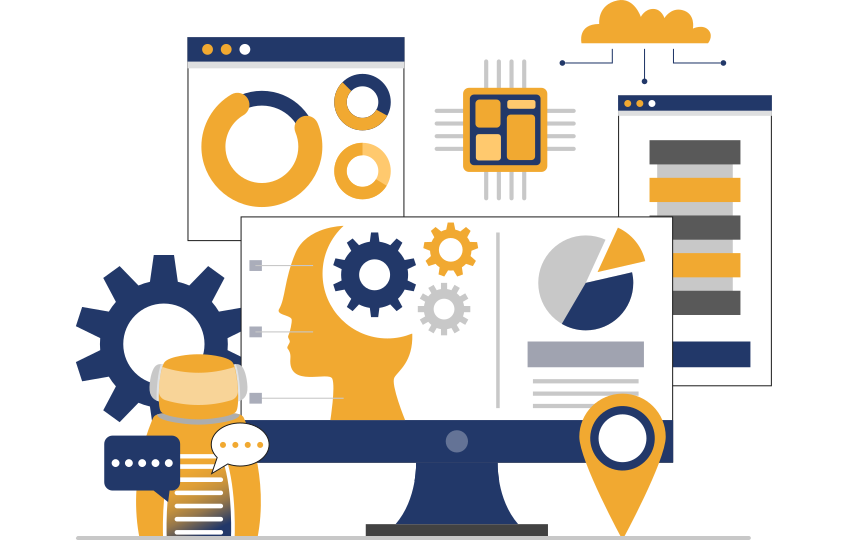
We help healthcare organizations move from an early idea or loosely defined requirement to a product direction that users, stakeholders, designers, and engineers can understand. Our expertise combines healthcare product strategy, UX research, prototyping, technical architecture, validation, and development planning.
Define what the product needs to accomplish, who it serves, how it creates value, and which business and user outcomes should guide product decisions.
Understand the needs of clinicians, patients, administrators, operational teams, buyers, and other stakeholders who may interact with or influence the product.
Map existing processes, interactions, handoffs, decisions, and information flows to identify where a digital product can reduce friction or create meaningful improvements.
Create user flows, wireframes, and prototypes that allow important product concepts to be evaluated before committing them to production development.
Define the technical foundation required to support the product, including application architecture, infrastructure, data, APIs, integrations, third-party services, and scalability considerations.
Determine which capabilities are essential to delivering the product's core value and which should be deferred to later phases.
Translate validated product requirements into development phases, dependencies, effort estimates, timelines, and expected investment so stakeholders can make more informed planning decisions.
See how we help healthcare organizations solve complex product and technology challenges with practical, scalable solutions built around real clinical workflows.
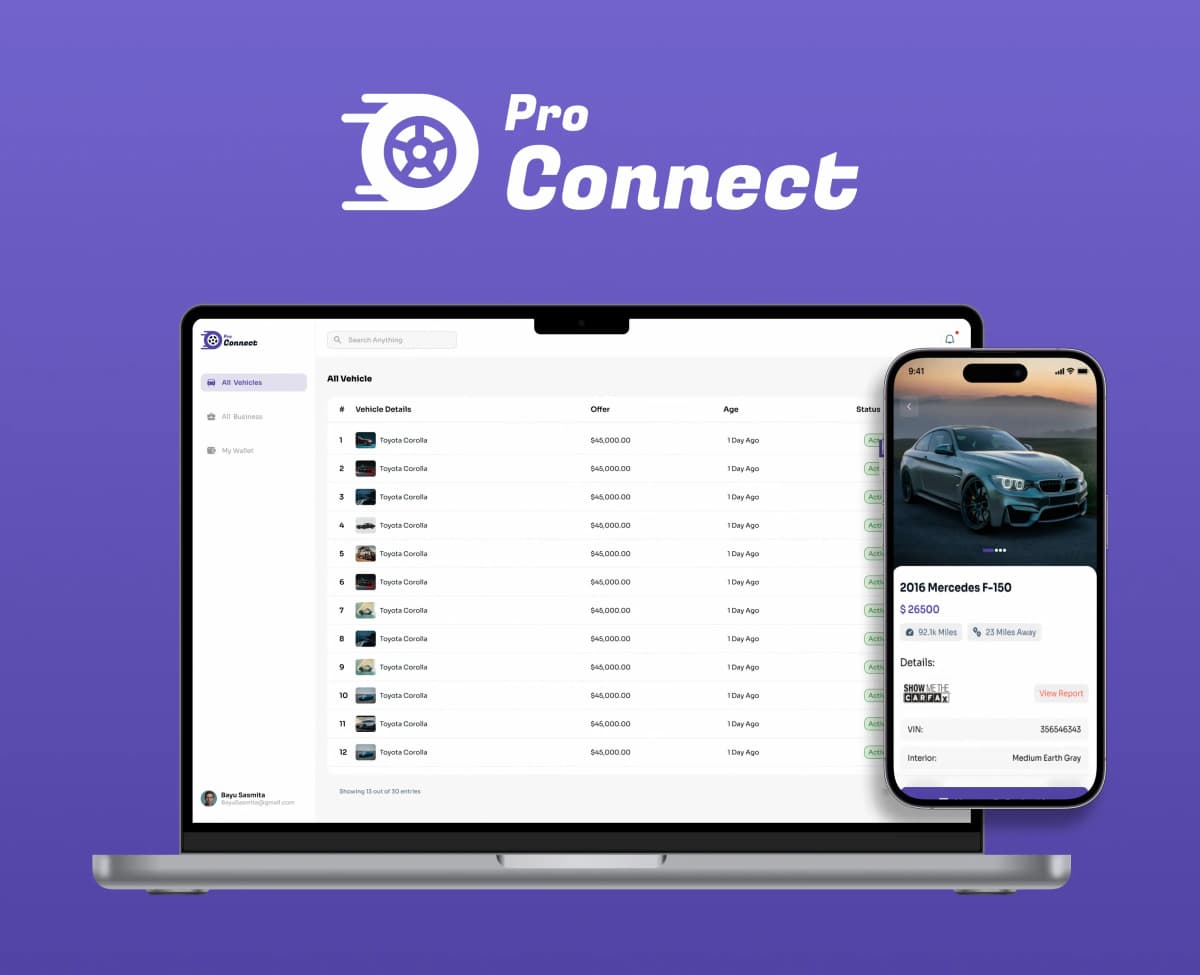

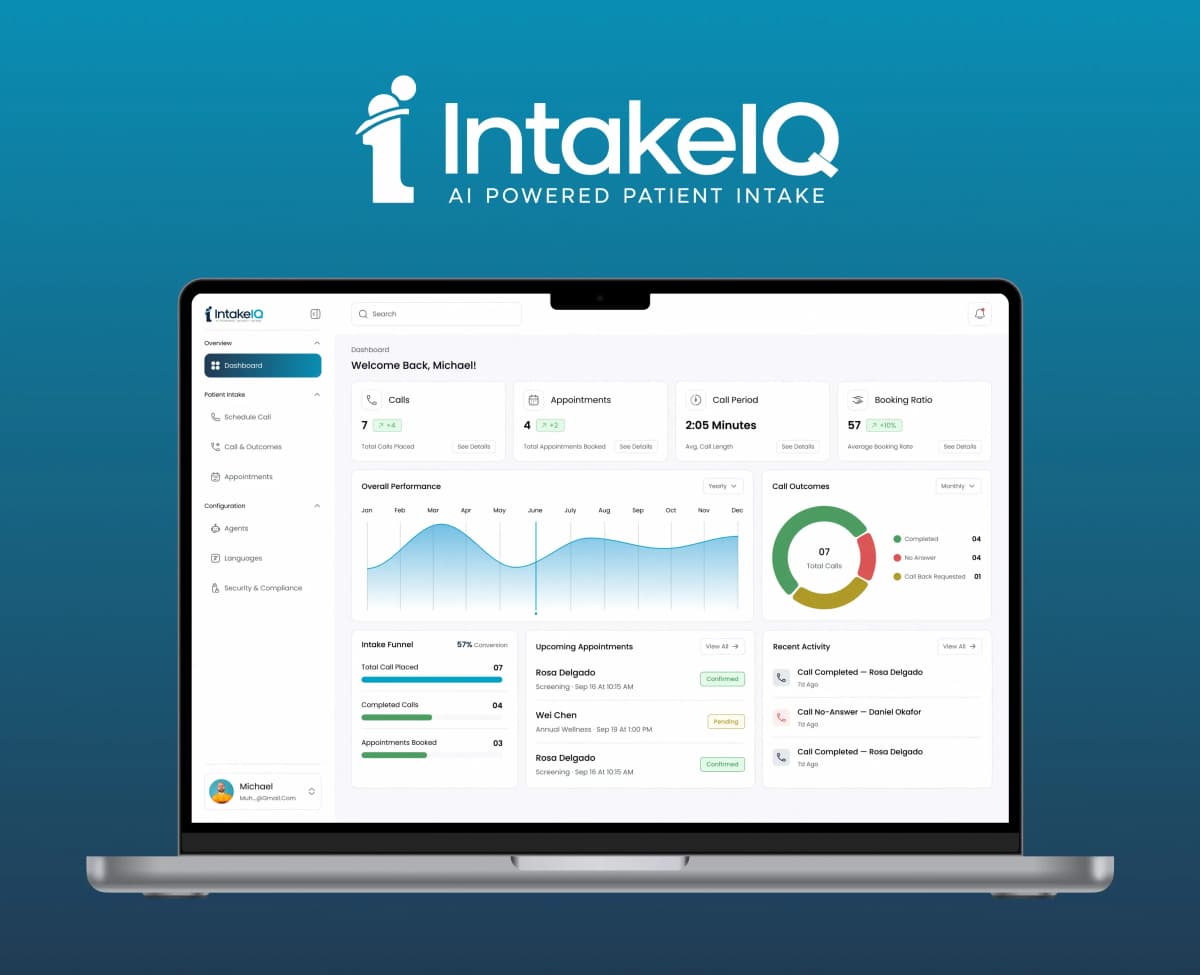
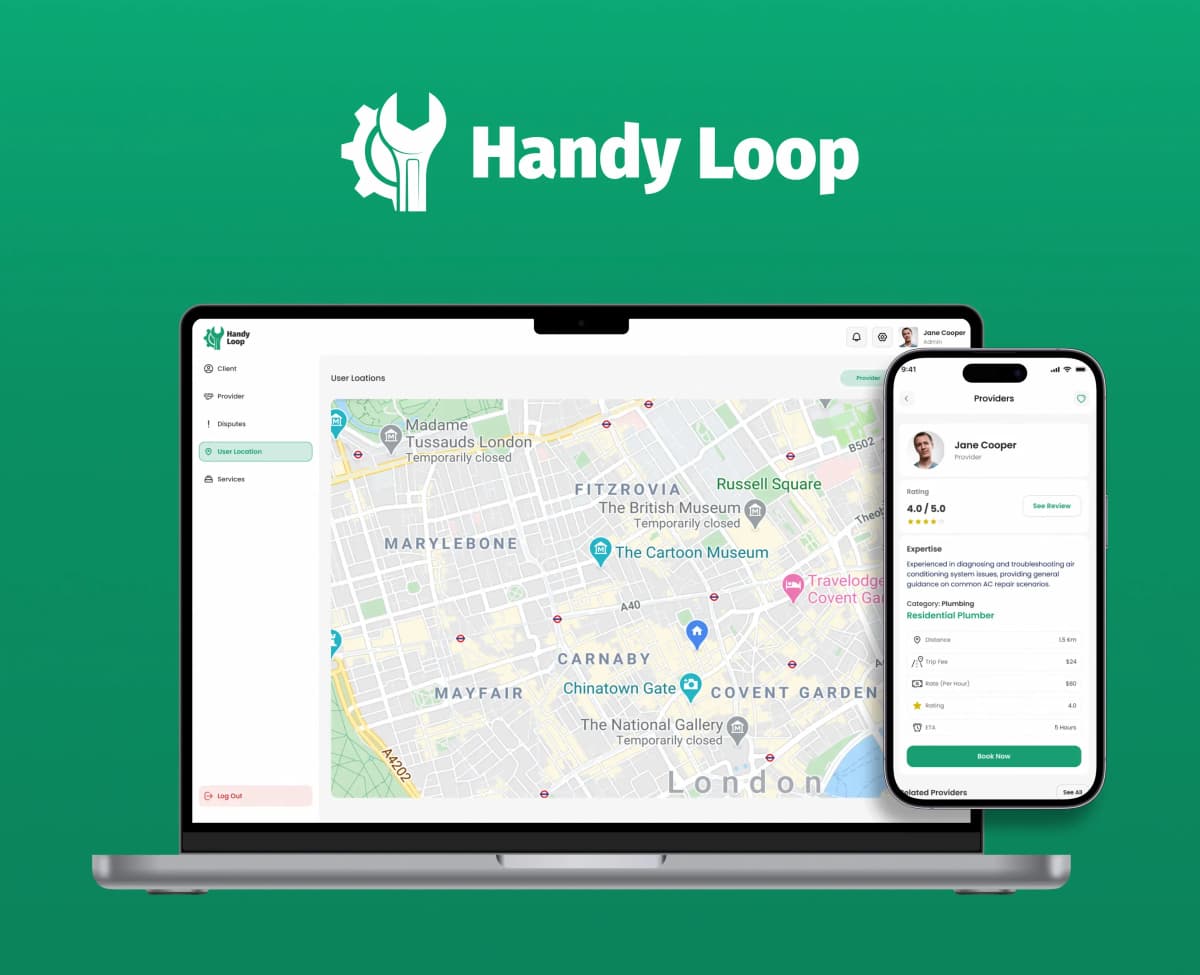
Discovery delivers the most value when important product decisions are still based on assumptions. We focus on reducing uncertainty before those assumptions become expensive code, architecture, or product commitments.
Turn broad concepts and long feature lists into a focused product definition built around real user and business needs.
Identify confusing, incomplete, or unrealistic healthcare workflows while they can still be changed without rewriting production software.
Surface integration requirements, data dependencies, architecture decisions, third-party constraints, and technical complexity before development begins.
Give stakeholders a clearer understanding of product scope, development phases, technical requirements, expected timelines, and potential costs before committing significant resources.
No. Defining and prioritizing requirements is part of the discovery process. You can start with an idea, business problem, existing workflow, early feature list, or concept that needs further definition.