

Brilliant finance professional. Second time working with him and am really pleased with his quality of work as well as professionalism
- Oliver Theodore
Vice President


Healthcare compliance is not only a legal or documentation concern. Requirements around privacy, access, data handling, security, and accountability often have direct implications for product design and technical architecture.
We identify relevant technical and product considerations early so teams can address them before architecture and workflows become difficult to change.
We think about what data the product collects, its necessity, its destination, who is allowed to see it, and how it will be safeguarded during the product's entire lifecycle.
We evaluate authentication, authorization, infrastructure, integrations, data flows, logging, and other technical controls as part of the broader system design.
We understand that healthcare applications often involve sensitive information, multiple user roles, third-party systems, integrations, and complex workflows.
We help teams improve technical controls, documentation, traceability, and operational practices that support future reviews and assessments.
We focus on turning requirements into actual product, architecture, and engineering decisions teams can implement.
“Instead of handing us a compliance checklist, the team worked through how data actually moved across our product and where our technical controls needed to improve. That gave both our engineering and leadership teams a much clearer path toward security and audit readiness.”
Brilliant finance professional. Second time working with him and am really pleased with his quality of work as well as professionalism
- Oliver Theodore
Vice President
Speecto helps healthcare organizations strengthen privacy, security, and compliance considerations across new and existing digital products, helping teams build more reliable and trustworthy healthcare technology.
Strengthening security, access controls, data protection, and compliance considerations across cloud-based healthcare products.
Helping protect sensitive patient information while supporting secure care coordination, communication, and data access.
Building secure digital environments for virtual consultations, patient interactions, and remote healthcare delivery.
Improving security and privacy across clinical tools that handle patient data, internal processes, and provider workflows.
Supporting responsible AI implementation with appropriate data protection, access controls, and secure system architecture.
Helping wellness and fitness products manage personal health information securely while supporting scalable digital experiences.
Protecting sensitive healthcare data throughout collection, storage, processing, reporting, and analytics workflows.
Strengthening security, permissions, data governance, and scalability across complex healthcare systems used by multiple teams and users.
These are the concerns we repeatedly hear from healthcare teams:
We need to make sure our product is built with HIPAA requirements in mind.
An enterprise customer sent us a security questionnaire and we're not sure whether our current architecture can meet their expectations.
We're preparing for an audit and don't have enough documentation around our technical controls.
We need better control over who can access patient and sensitive information.
We're adding AI features and need to understand how sensitive healthcare data should flow through them.
Security was considered late in development, and now we're worried important controls are missing.
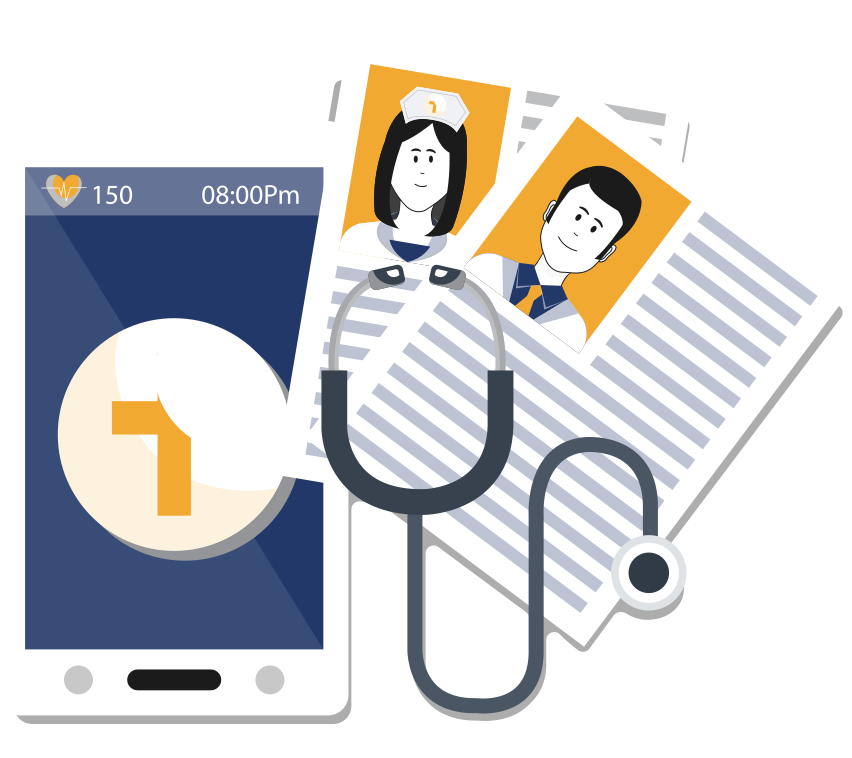
We help healthcare teams turn privacy, security, and compliance requirements into practical product, architecture, and engineering decisions.
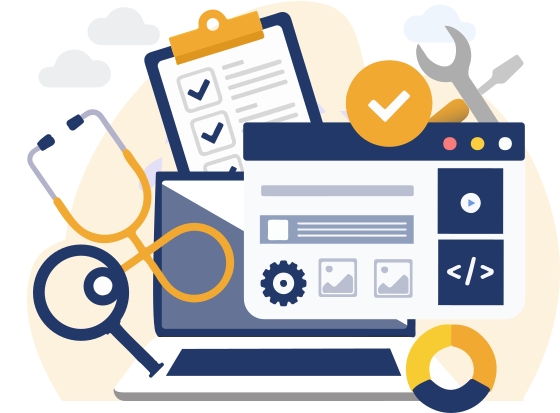
Review how the application handles sensitive healthcare information and identify technical areas that may require stronger safeguards, controls, or documentation.
How we turn ideas into solutions
We don't start with a generic compliance checklist.
We begin by understanding what the product does, who uses it, what information it collects, where that information originates, how it moves through the system, which third parties receive it, and where it is ultimately stored. That context determines which technical controls actually matter.
You cannot protect information effectively without understanding where it exists.
We map important data flows across applications, databases, APIs, integrations, cloud services, and third-party systems and identify which users, services, and processes need access.
Privacy decisions affect more than backend infrastructure.
We consider data collection, user permissions, product workflows, information visibility, consent-related experiences where applicable, retention requirements, and other privacy considerations during product and UX design.
Security controls should be part of the technical foundation.
We evaluate authentication, authorization, encryption, secrets management, APIs, infrastructure, logging, monitoring, data isolation, and other relevant safeguards based on the product and risk environment.
Healthcare organizations need visibility into what happens inside their systems.
Where appropriate, we design logging, audit trails, access records, system monitoring, and other mechanisms that make important activities easier to trace and investigate.
Audit readiness should not begin when the questionnaire arrives.
We help teams identify gaps, organize technical evidence and documentation, clarify system architecture, and prioritize remediation work so they are better prepared for customer security reviews and formal assessments.
AI introduces new questions about how healthcare information is collected, processed, transmitted, stored, and used.
A healthcare organization may have strong controls around its primary application while sensitive information is simultaneously being sent to external AI services, copied into prompts, included in model inputs, stored in logs, or accessed through new automated workflows. That changes the privacy and security surface of the product.
Teams need to understand what information an AI capability receives, which systems process it, how access is controlled, what is retained, and where human oversight or additional safeguards may be appropriate.
We treat AI security and privacy as part of the broader product architecture. Data flows, access controls, integrations, logging, human oversight, and third-party dependencies are considered early so AI capabilities do not become an unmanaged layer sitting outside the organization's existing security approach.
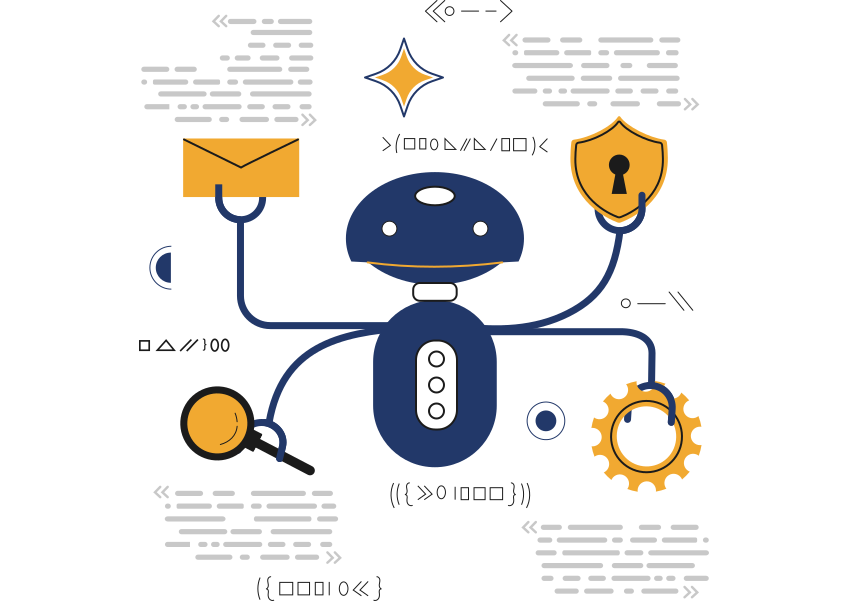
We help healthcare organizations connect compliance expectations with real product and engineering decisions. Our expertise brings together healthcare software development, privacy-by-design, security architecture, data protection, technical controls, and audit readiness.
Evaluate healthcare applications and technical environments against relevant HIPAA-related privacy and security considerations, identifying where product, architecture, or engineering improvements may be needed.
Build privacy considerations into product requirements, workflows, data architecture, and technical decisions rather than attempting to address them after development.
Design authentication, authorization, role-based access, permissions, session controls, and other mechanisms that help restrict sensitive information to appropriate users and systems.
Protect sensitive information across storage, transmission, APIs, databases, integrations, infrastructure, and application workflows using appropriate technical safeguards.
Assess and improve how applications, services, infrastructure, APIs, databases, and third-party systems work together from a security perspective.
Implement appropriate logging and audit capabilities that provide greater visibility into access, important system events, administrative activity, and changes involving sensitive information.
Help teams prepare technical documentation, architecture information, control evidence, and remediation priorities for customer reviews, security assessments, and relevant audit processes.
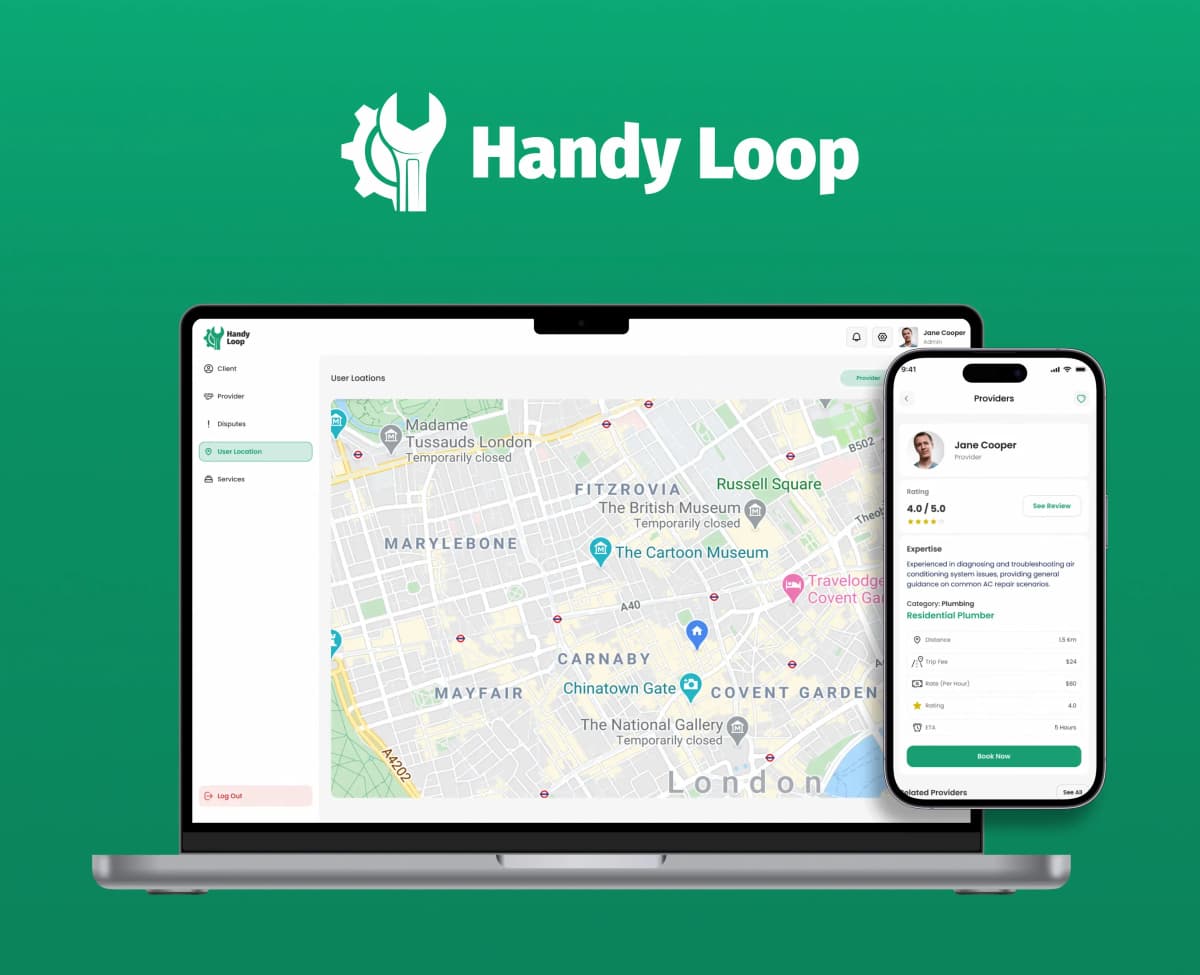
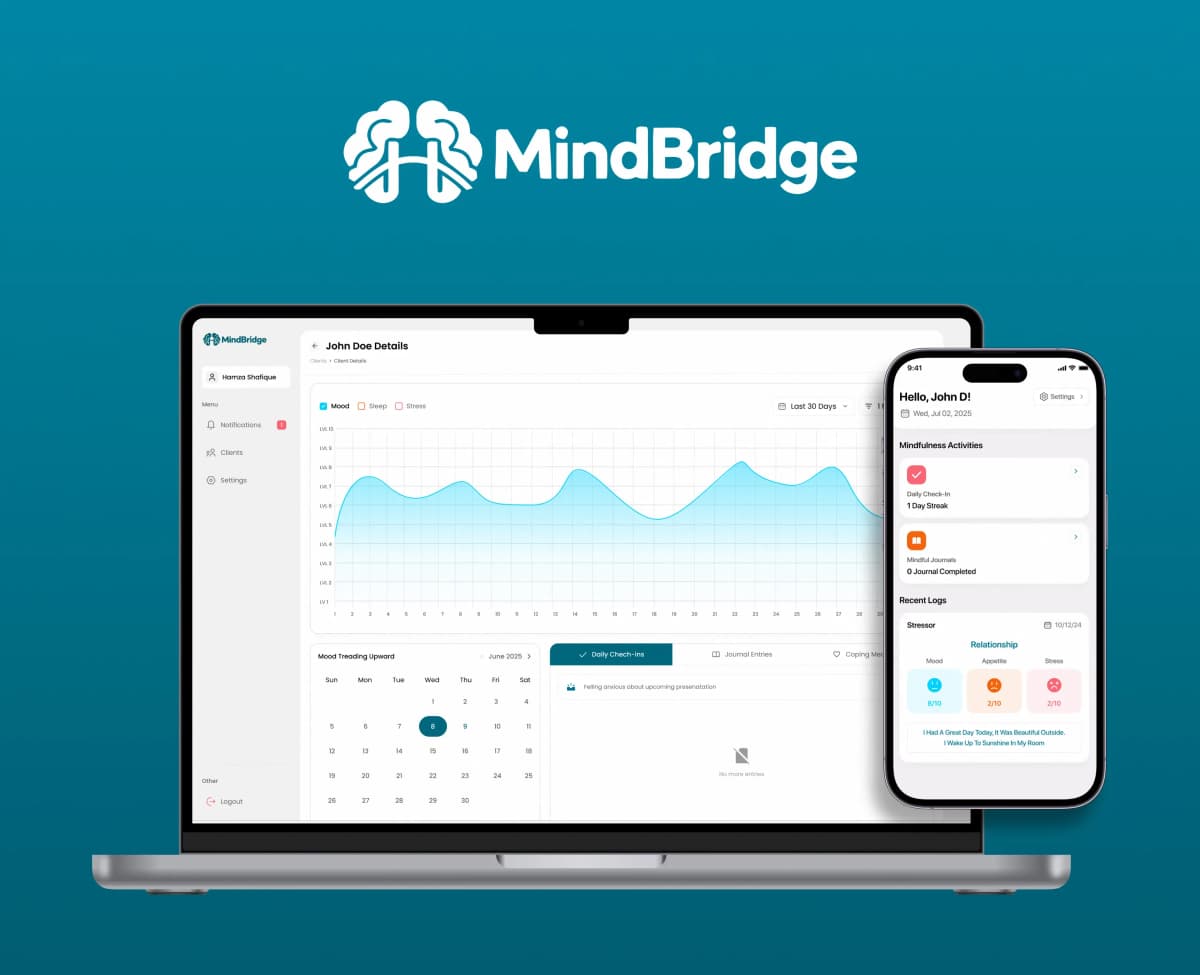
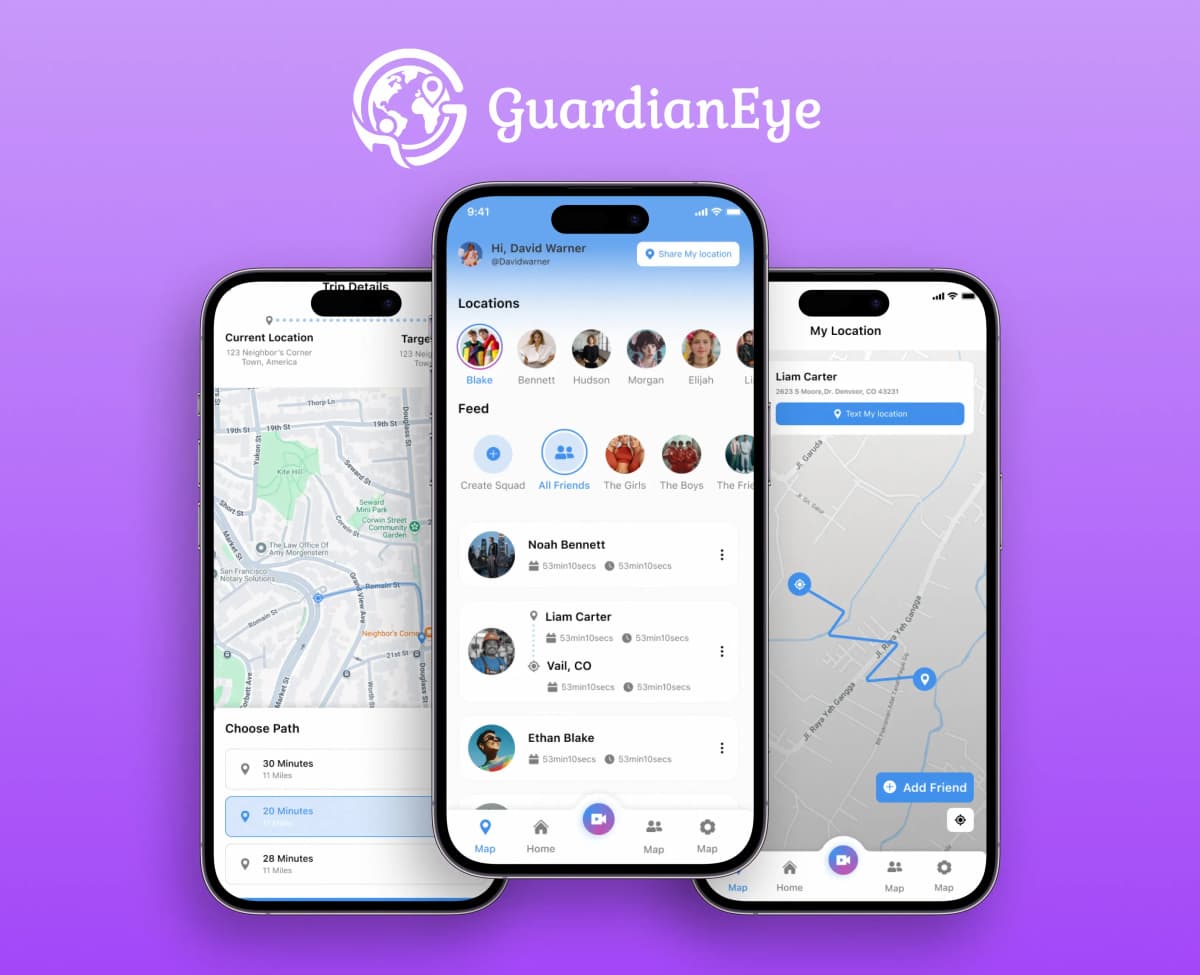
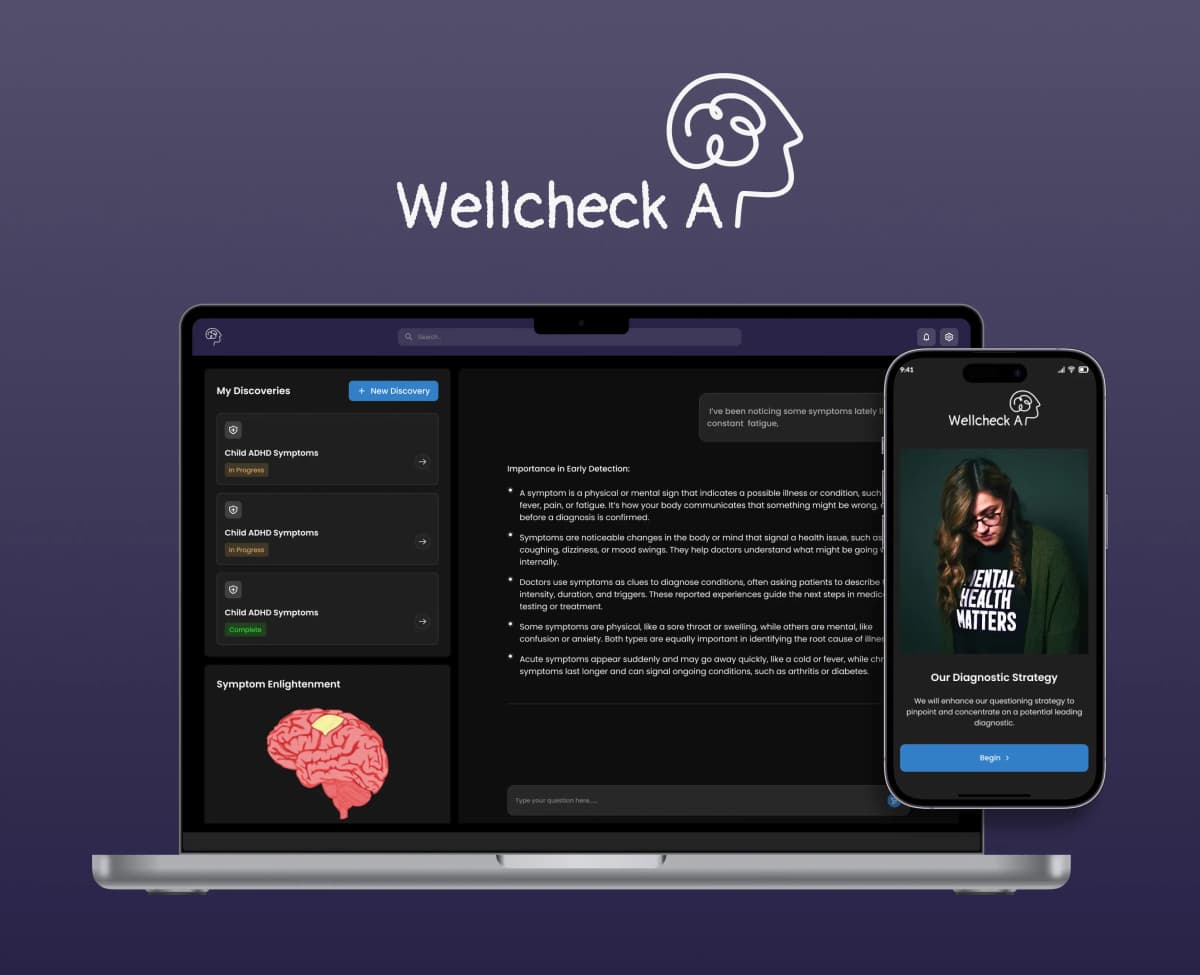
See how we help healthcare organizations solve complex product and technology challenges with practical, scalable solutions built around real clinical workflows.

Compliance and security create the most value when they are built into everyday product and engineering decisions rather than treated as separate activities performed immediately before an audit or customer review.
Build stronger safeguards around how sensitive information is collected, transmitted, stored, accessed, and shared throughout the product.
Create stronger logging, traceability, documentation, and technical practices so future audits and assessments do not require teams to reconstruct how the system works after the fact.
Identify technical gaps and organize architecture, controls, documentation, and evidence before customer security questionnaires and assessments become sales blockers.
Create clearer roles, permissions, authentication, authorization, and access boundaries across users, administrators, applications, and services.
Yes. We can help teams assess technical readiness, clarify architecture and controls, organize supporting technical information, identify gaps, and prioritize engineering work before customer security reviews.