

Brilliant finance professional. Second time working with him and am really pleased with his quality of work as well as professionalism
- Oliver Theodore
Vice President

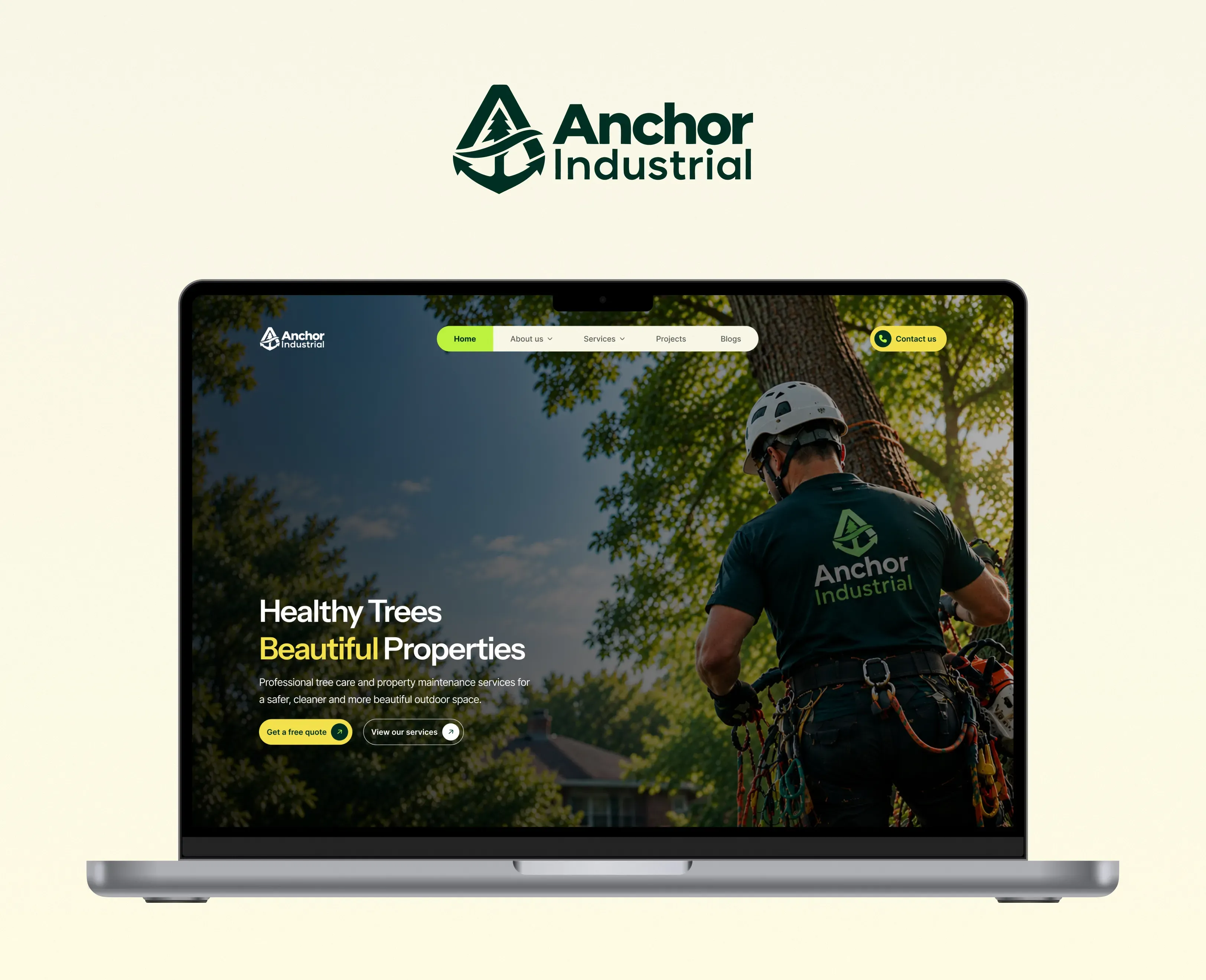
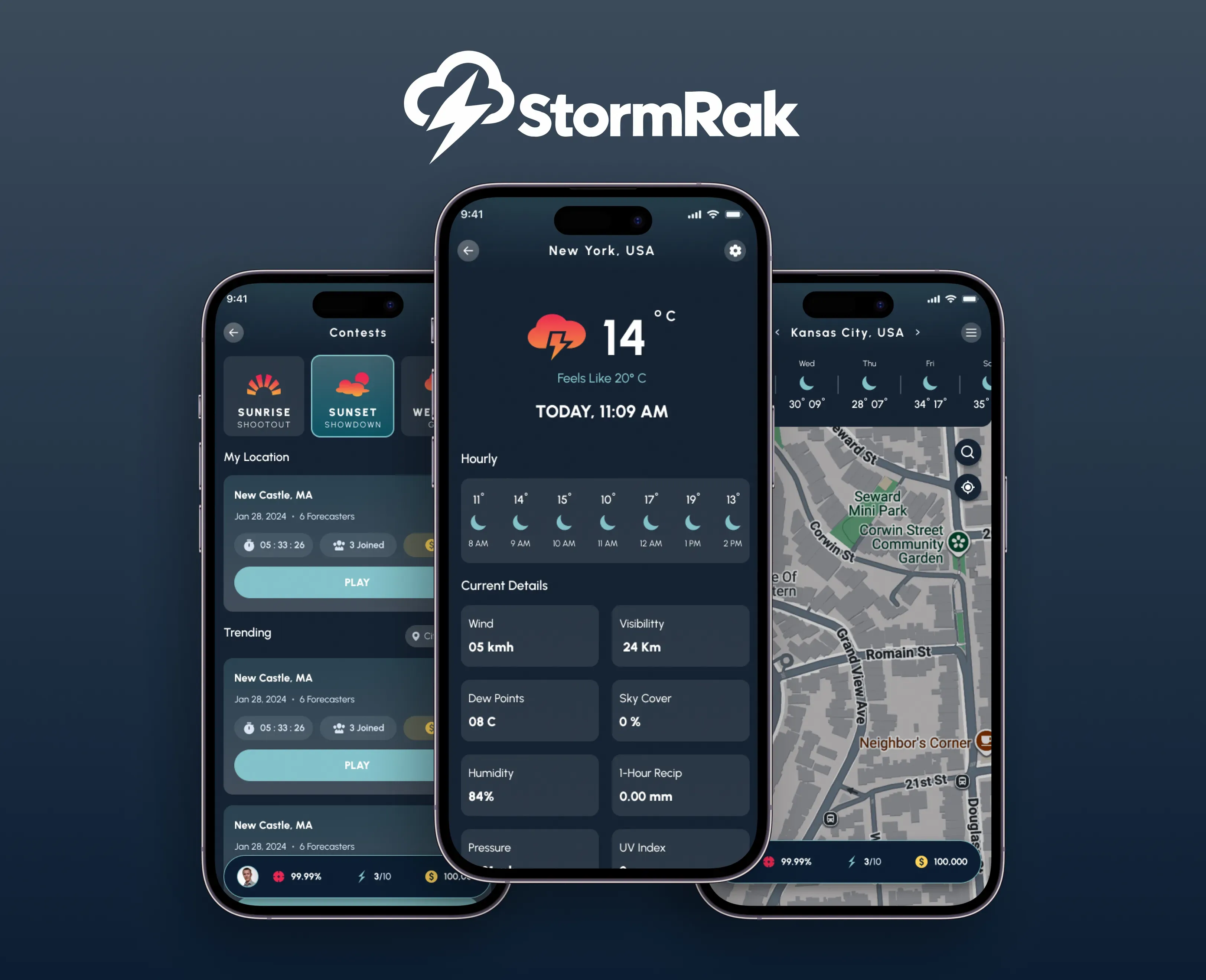
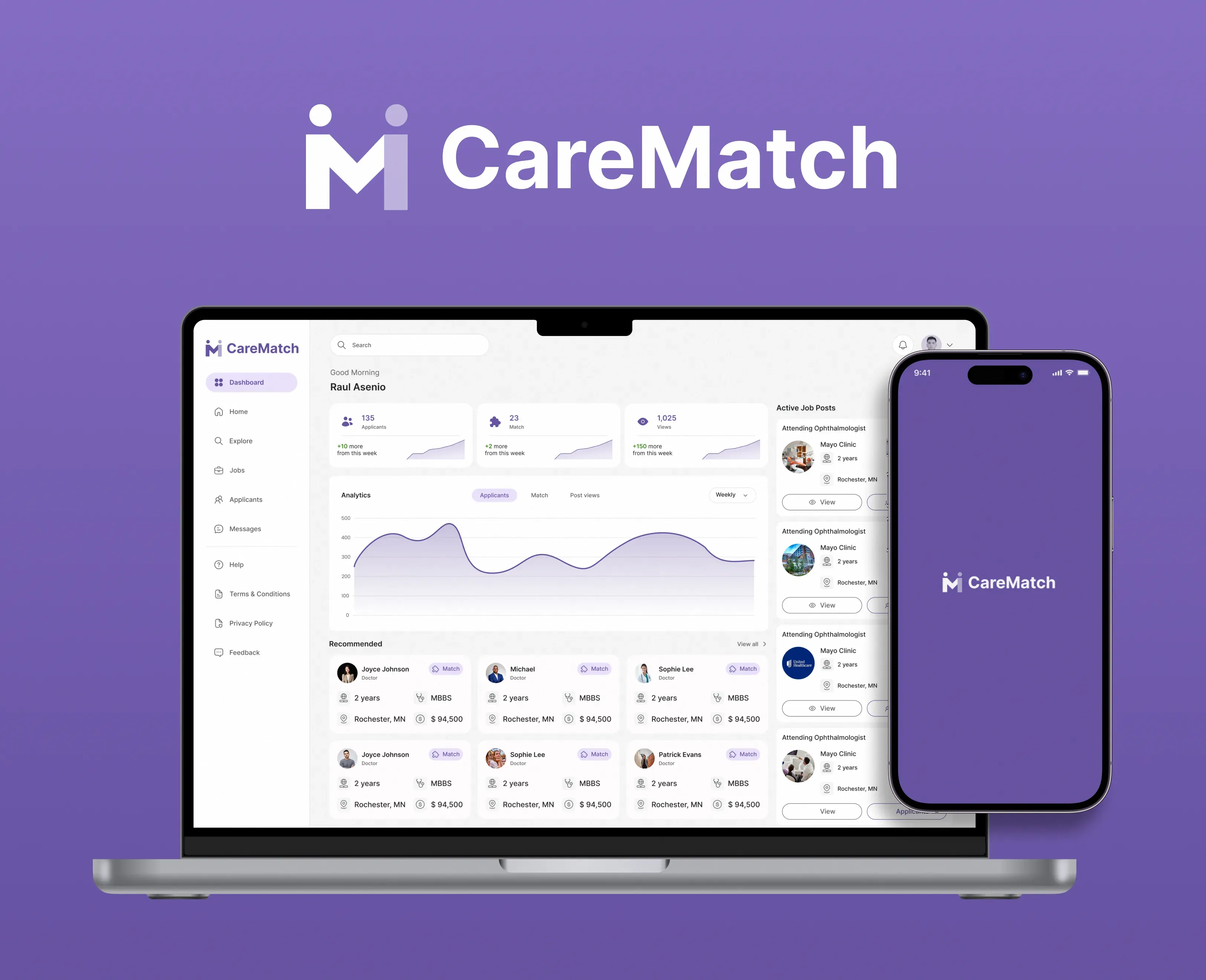
The best use of AI-assisted development is to increase the speed at which engineers work, but it can only do that. We combine modern AI development workflows with experienced engineers who understand healthcare products, complex systems, and production software.
AI accelerates the work, engineers own the decisions. We use AI to improve development efficiency while keeping architecture, validation, code review, and important technical decisions under human oversight.
We know healthcare processes, data sensitivity, integrations, interoperability, user roles, and the unique technical challenges faced by healthcare products.
Building the Web, Mobile, Backend, APIs, Databases, Integrations, Cloud Infrastructure, and the Systems that hold it all together.
We don't treat requirements as isolated tickets. We consider how features affect users, workflows, architecture, maintainability, and the overall product.
Rapid prototypes are useful, but production healthcare software needs reliability, maintainability, security, testing, and scalable technical foundations.
We build software with future features, integrations, users, data, and changing business requirements in mind.
“The team helped us increase development velocity without treating AI as a shortcut. We were able to move faster across implementation and testing while still having experienced engineers responsible for architecture, code quality, and what actually went into production.”
Brilliant finance professional. Second time working with him and am really pleased with his quality of work as well as professionalism
- Oliver Theodore
Vice President
Speecto builds and extends digital healthcare products across patient, clinical, operational, wellness, and enterprise environments.
Digital solutions to assist healthcare teams to handle patient information more effectively, care plans, communication and subsequent care.
Systems that enable remote consultations, virtual care, and ease of patient-provider communication.
Tools that streamline clinical processes, reduce manual tasks, and improve coordination across healthcare teams.
Software that supports administrative workflows, internal operations, reporting, scheduling, and resource management.
Digital products for fitness, coaching, wellness programs, habit tracking, and personalized health experiences.
Healthcare solutions that use AI to support automation, insights, personalization, and more efficient decision making.
Scalable cloud-based products built to serve healthcare providers, organizations, and growing digital health businesses.
Secure and scalable applications designed to support complex workflows, multiple departments, and large healthcare organizations.
These are the concerns we repeatedly hear:
Our roadmap is moving faster than our engineering capacity.
We want to use AI to speed up development, but we don't want AI-generated code going into production without proper review.
Our current development process takes too long for relatively straightforward features.
We need engineers who understand healthcare not just general software development.
Our prototype works, but we're not confident the architecture is ready for production.
We need web, mobile, backend, and cloud engineers who can work as one product team.

We offer full-fledged health care software engineering, with AI-driven workflows that enhance efficiency without compromising on the expertise of human oversight during the development process.
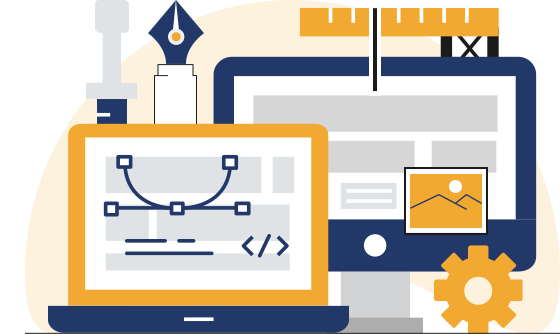
Create interactive healthcare web apps, portals, dashboards, administrative systems and enterprise platforms based on real user and operational workflows.
Approach we use
AI can make implementation faster, but it cannot compensate for unclear requirements.
We begin by understanding the users, workflows, requirements, technical constraints, integrations, and expected outcomes so engineering speed is directed toward the right product.
We define the application's core architecture, data flows, APIs, infrastructure, integrations, and technical boundaries before development becomes difficult to change.
AI can assist implementation, but experienced engineers remain responsible for architectural decisions.
We use AI-assisted engineering where it can improve efficiency, including repetitive implementation tasks, code scaffolding, test generation, documentation, debugging support, refactoring assistance, and development workflows.
The goal isn't to maximize the amount of AI-generated code. It's to reduce unnecessary engineering effort while maintaining quality.
AI-generated output is treated as engineering input—not automatically trusted production code.
Our engineers review, test, validate, and refine implementation before it becomes part of the product. Critical decisions involving architecture, security, data, integrations, and complex business logic remain under human oversight.
Speed without validation creates expensive problems later.
We integrate testing and quality checks throughout development so functionality, integrations, APIs, workflows, and application behaviour can be evaluated continuously rather than only before launch.
The goal is not simply to ship the first version faster.
We consider maintainability, performance, scalability, infrastructure, documentation, technical debt, and future product requirements so the software can continue evolving after launch.
Economics of software development is changing.
AI coding assistants can assist more advanced engineers with some tasks more quickly, mitigate repetitive tasks, create initial implementations, enhance documentation, and speed up the debugging and testing process. It also allows for more code to be created using AI without complete knowledge of its quality.
That difference counts for healthcare products. Applications can be used to process sensitive data, business critical processes, clinical or operational workflows, integrations, and user permissions. What looks like a good feature may not be secure, productive, maintainable or scalable.
We are not using AI to replace engineering judgment; we are using AI as an engineering accelerator. Savvy developers are still on the hook for knowing the system, reading the output, making the decisions on architecture, testing features, etc., and deciding what is ready to ship.
The result is a development process designed to capture the speed advantages of AI without giving up the discipline required for production healthcare software.

We enable healthcare businesses to develop, grow, and modernize their digital products by utilizing cutting edge engineering methods and AI-powered development workflows. We have experience in product design, web and mobile development, backend systems, APIs and integrations, cloud infrastructure and AI-powered software.
Build patient portals, clinician applications, dashboards, administrative platforms, healthcare SaaS products, and enterprise web applications designed around real healthcare workflows.
Develop mobile experiences for patients, clinicians, care teams, wellness users, and other healthcare audiences with attention to usability, performance, and reliable application behaviour.
Build the services, business logic, authentication, databases, workflows, and processing layers that power healthcare applications behind the interface.
Create APIs and connections between healthcare products, EHR/EMR environments, third-party platforms, internal systems, data sources, and external services.
Design cloud infrastructure and deployment environments that support application reliability, scalability, monitoring, security requirements, and efficient software delivery.
Use AI throughout appropriate parts of the engineering lifecycle to accelerate implementation, testing, debugging, documentation, code analysis, and other development activities while maintaining human review.
Bring frontend, backend, mobile, cloud, integration, and product engineering together so teams do not have to manage disconnected technical workstreams.
See how we help healthcare organizations solve complex product and technology challenges with practical, scalable solutions built around real clinical workflows.
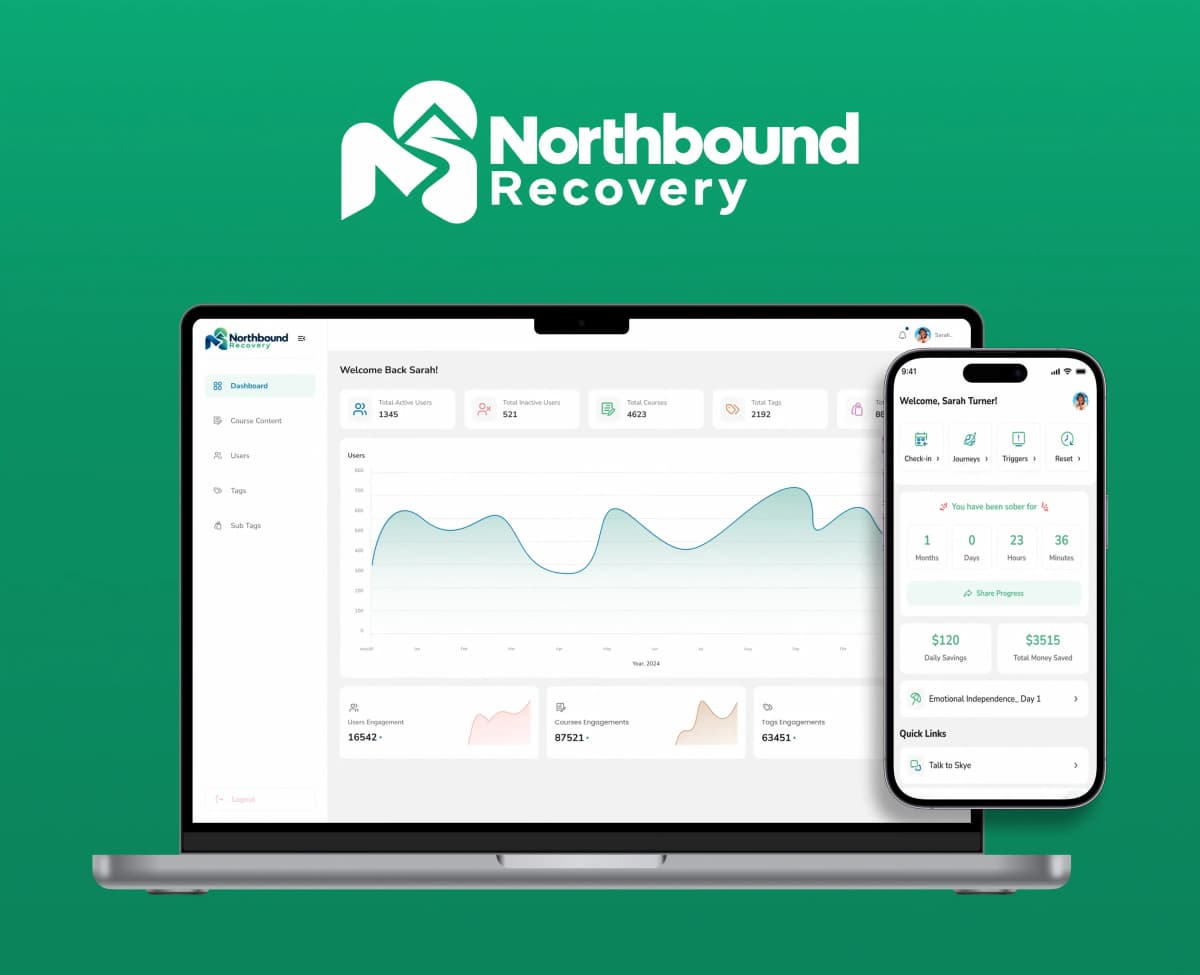
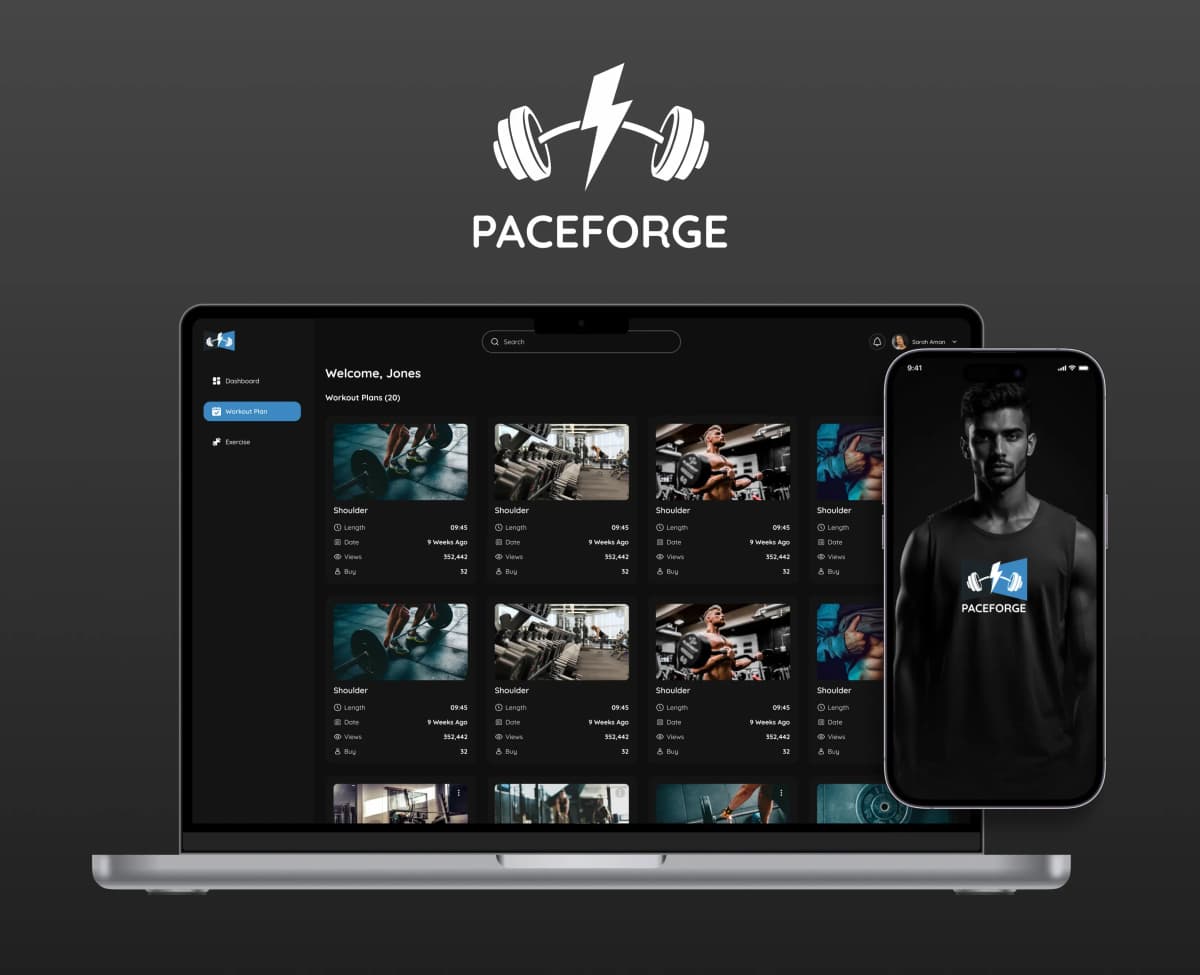
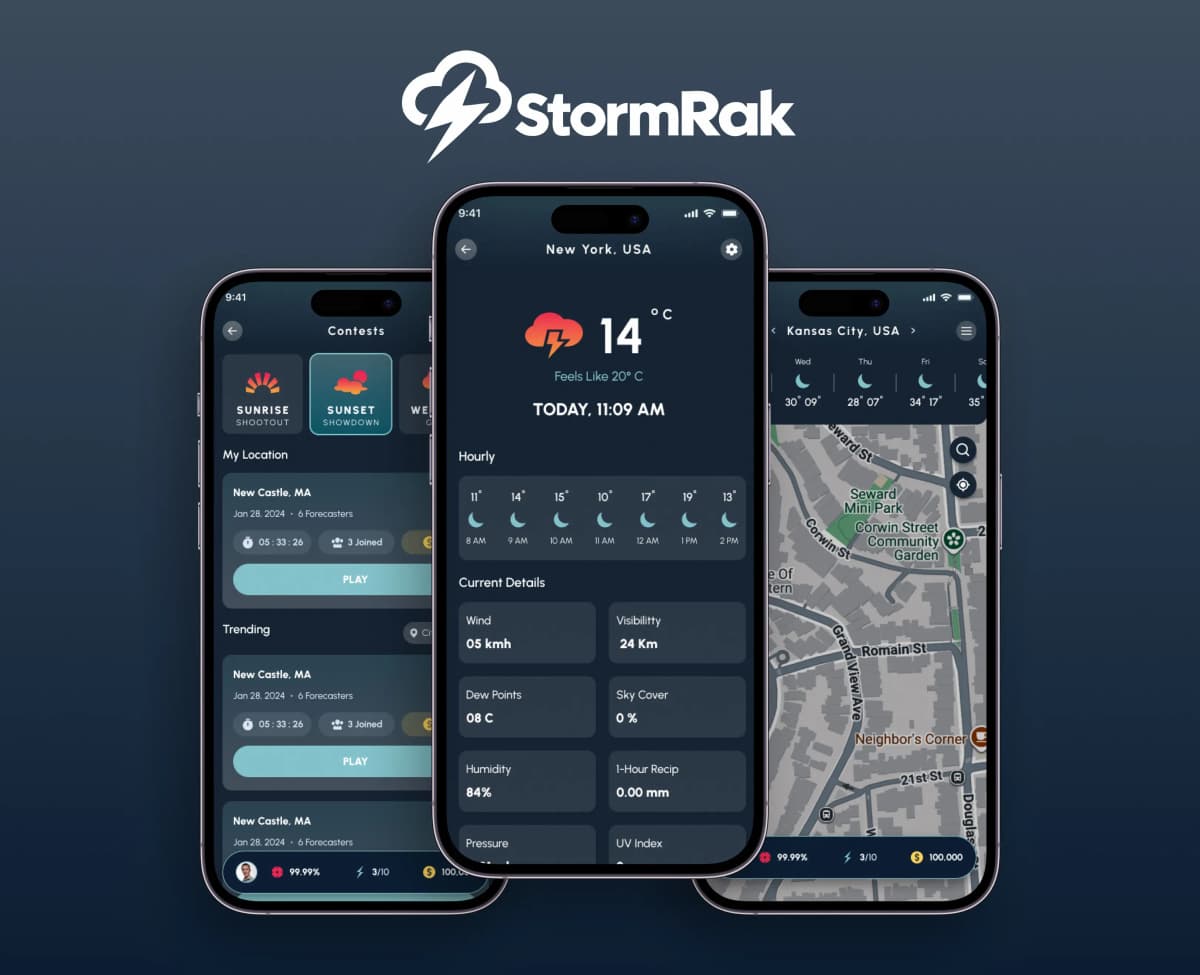
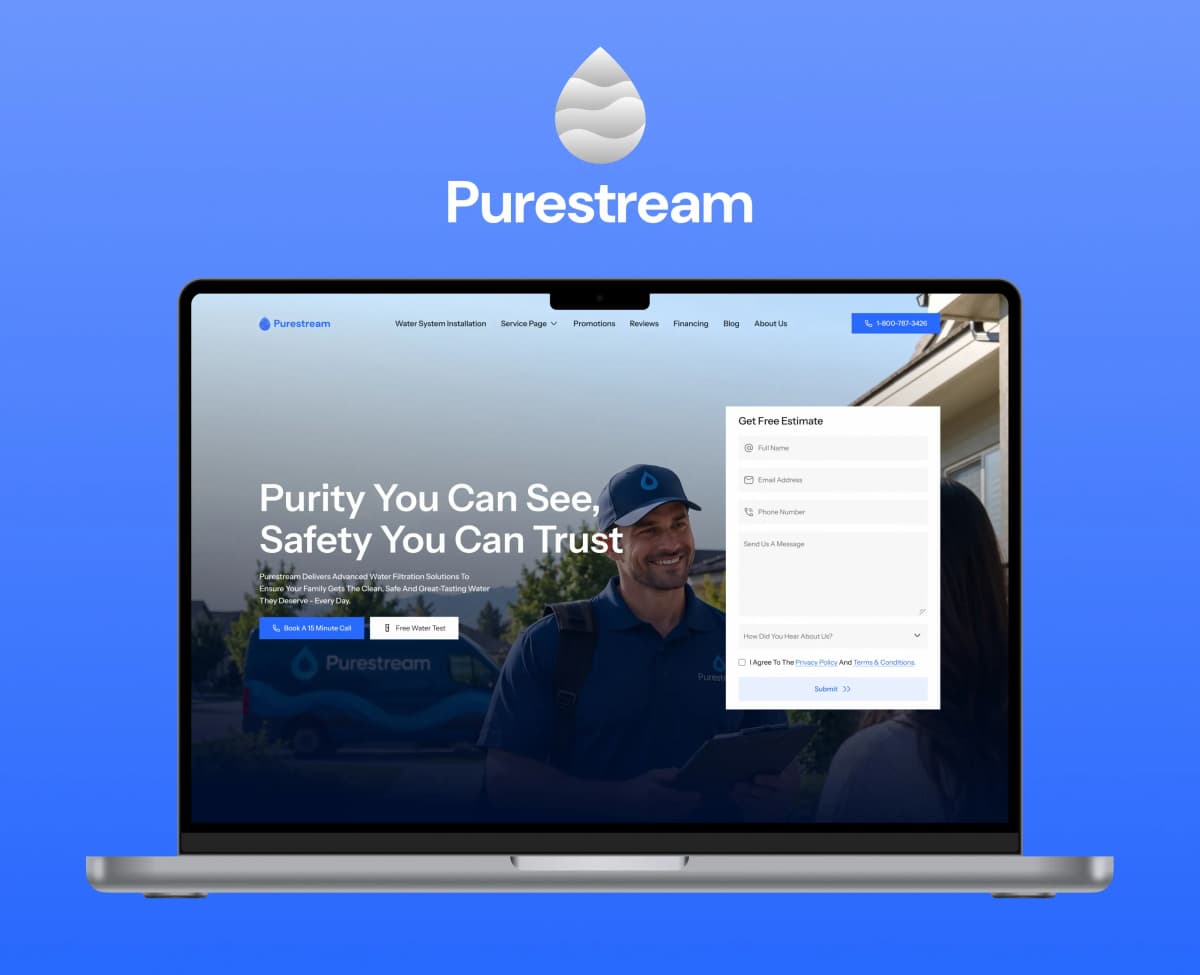

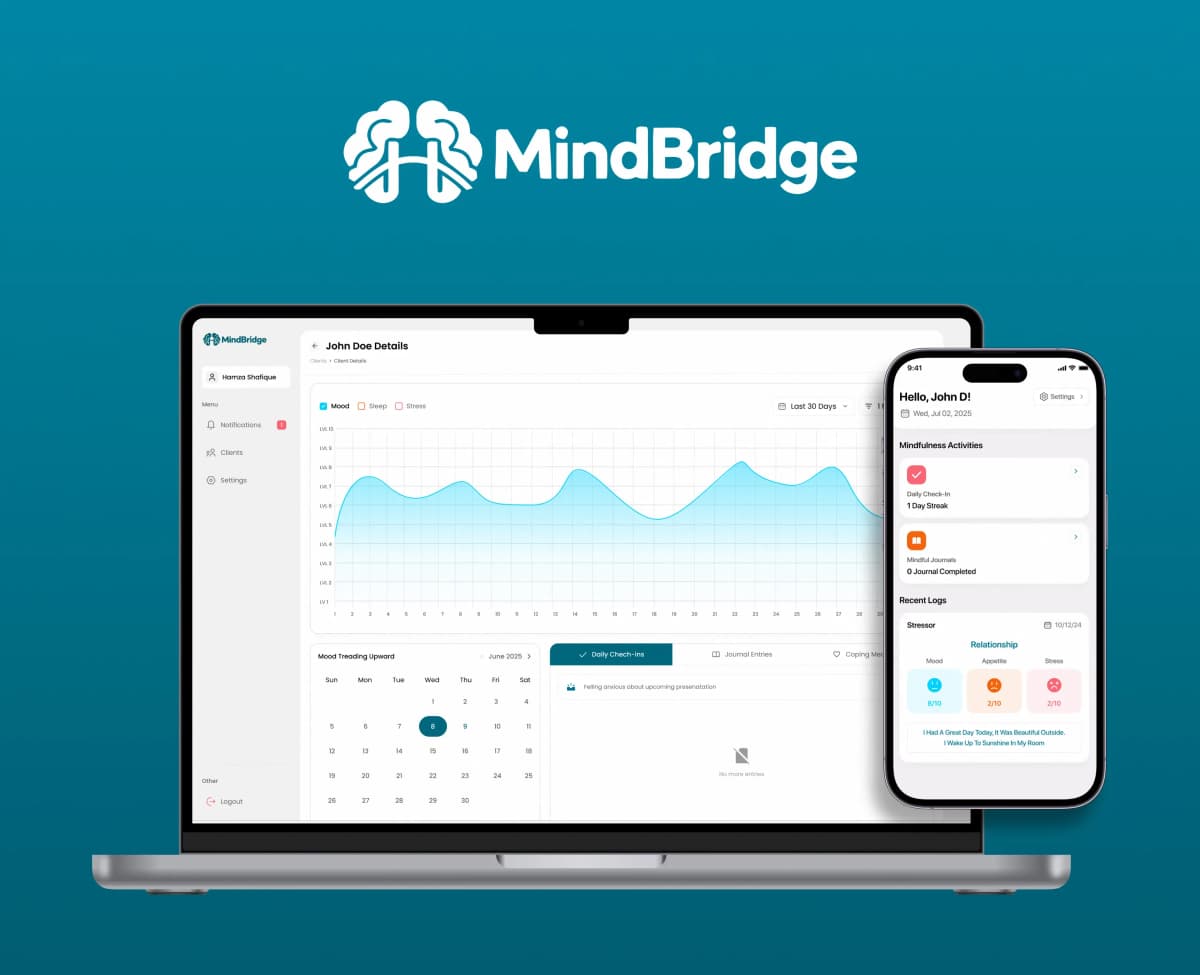

AI-assisted engineering delivers the most value when it helps experienced development teams reduce repetitive work and spend more time on the product and technical decisions that require deeper judgment.
Increase development velocity across appropriate implementation, testing, debugging, and documentation tasks without removing engineering oversight.
Add experienced healthcare product engineers across web, mobile, backend, integration, and cloud development when internal teams need additional delivery capacity.
Take early prototypes or proof-of-concept applications and rebuild or extend them with stronger architecture, testing, infrastructure, and maintainability.
Create software architecture and engineering practices that support future features, integrations, users, data, and product requirements instead of optimizing only for the first release.
Yes. We can assess an existing application, architecture, technical debt, development environment, and product roadmap before determining the best approach for continued development or modernization.